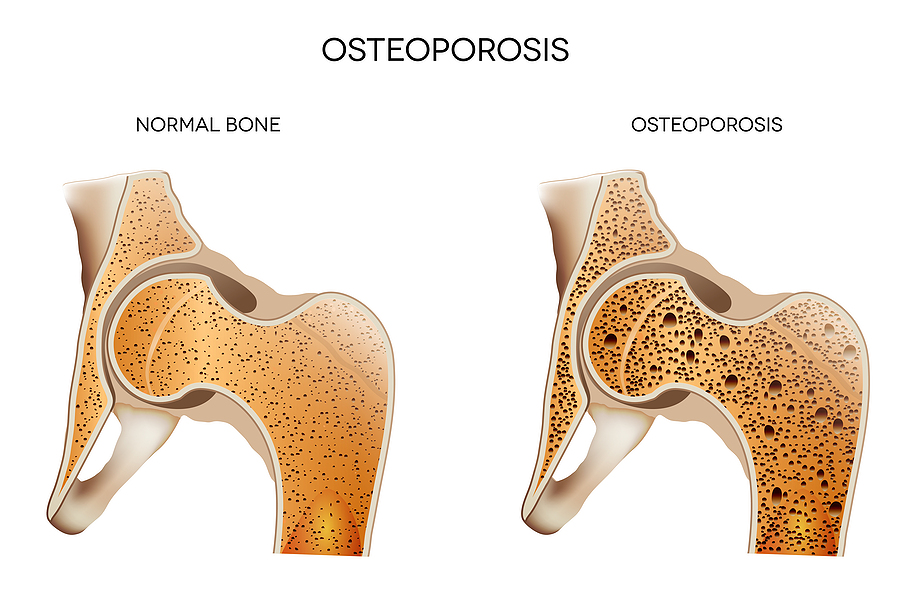
Bone health is a key component to aging well. However, it’s not always a priority. This is unfortunate, as bones naturally lose density as the years pass by, making them more likely to break and increasing the risk of falls and osteoporosis. While exercise and medical care play a role, nutrition is one of the most powerful tools available. That is where companion care at home providers step in, helping seniors build and follow eating habits that support stronger bones every day.
Why Bone Health Nutrition Matters More With Age
After age 50, bones tend to lose strength faster, especially in women following menopause. This is due to the fact that the body is less able to absorb calcium and vitamin D, which are the two most important nutrients for bone health. Many older people also struggle with a loss of appetite, find it difficult to cook, or don’t have access to healthy foods. Without intervention, continued poor nutrition can slowly make the bones weaker, which can lead to significant injuries and declining quality of life.
The good news is that eating the right foods can slow down bone loss, support bone repair, and lower the risk of breaking them. But to get there, seniors need to be consistent, which is something that many seniors who live alone have trouble doing on their own.
How Companion Care at Home Providers Help
Companion care at home providers offer seniors non-medical support to help improve their daily lives. While this assistance tends to focus on things like transportation, keeping the home clean, and running errands, there is more to it than that. In fact, companion care at home providers are the ideal companions for seniors who want to improve their bone health, as they can shop for healthy foods, help seniors create bone-friendly meal plans, and provide much-needed companionship at the dinner table.
Professional caregivers know that foods such as low-fat dairy products, fortified plant milks, leafy greens like kale and broccoli, and canned fish with bones, like sardines and salmon, are all good sources of calcium and work with seniors to incorporate these things into their daily meals. Additionally, they focus on adding foods high in vitamin D, such as eggs, fortified cereals, and fatty fish, as well as encourage seniors to spend time outside each day, since sunlight is still one of the best natural sources of vitamin D.
Finally, caregivers teach seniors about the foods that negatively impact bone health, such as sodium, caffeine, or alcohol, which can all make it harder for the body to absorb calcium, as well as introduce other ways to strengthen their bones, including strength-building exercises.
Bones won’t get stronger overnight, but with the support of companion care at home providers, seniors can incorporate small, consistent choices every day that help slow down bone loss and reduce their risk of osteoporosis and falls. As a result, they feel more confident and better prepared to remain in their home as the years pass by.
If you or an aging loved one are considering hiring companion care at home in Westwood, CA, please call Mom's Home Care and talk to our friendly, knowledgeable staff. Our number is 323-244-4789.
Sources:
https://www.mayoclinic.org/healthy-lifestyle/adult-health/in-depth/bone-health/art-20045060
https://www.health.harvard.edu/bones-and-joints/surprising-foods-that-boost-bone-health
https://www.bonehealthandosteoporosis.org/patients/treatment/nutrition/
https://www.aarp.org/health/healthy-living/foods-for-bone-health/