
As one ages, the body goes through a number of changes, some of which are very obvious and others that are hard to notice. These smaller changes can be just as challenging for seniors to understand as the bigger ones. Elder care professionals are key to helping seniors recognize, understand, and deal with these changes with confidence instead of fear.
The Aging Body: More Than Meets the Eye
Most people think that getting older will bring certain changes, like moving more slowly, getting gray hair, or having their vision change. Many older people are surprised by the quieter, more subtle changes that happen below the surface. The skin gets thinner and drier. The way they sleep changes. It takes longer to heal than it used to. Without the right help, these changes can make older people feel anxious and unsure.
This is where elder care comes in. Caregivers and professionals who work with seniors are trained to notice these small differences and, more importantly, to explain them in ways that make seniors feel better. When an older person knows “why” their body is acting differently, they can better keep an eye on their own health and speak up for themselves.
Why Bruising Gets Worse with Age
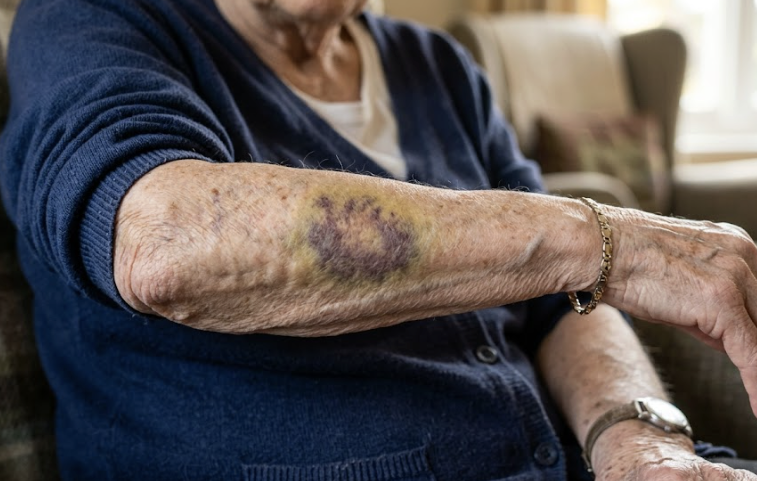
One of the most common and scary changes that older people notice is that they are getting more bruises. A small bump against a countertop or a soft knock on the arm can leave a big mark that lasts for days. This can be upsetting for a lot of older people.
Elder care providers help older seniors understand that this is a normal part of getting older. Blood vessels get weaker and closer to the surface as the skin thins and loses its protective fat layer. Even small amounts of contact can cause bruising when combined with less collagen production. It is also important to note that common medications like aspirin and blood thinners can make this effect stronger.
Caregivers can reassure seniors that most bruises are not serious, while also monitoring them closely. They keep track of the size and frequency of bruises, as well as whether they are healing in a reasonable amount of time.
Knowing When to Involve the Medical Team
Not every change warrants a doctor's visit, but elder care professionals are skilled at identifying when one does. Bruising that appears suddenly without any known cause, bruises that are unusually large, or bruises accompanied by bleeding elsewhere in the body are all signals worth escalating.
Elder care providers are a key link between seniors and their doctors. They keep detailed records of changes in their bodies and can clearly and accurately explain what they have seen during medical appointments. This type of continuity ensures that nothing goes unnoticed.
Caregivers also notice other small changes, such as consistent fatigue, unexplained weight loss, changes in cognitive abilities, or a loss of appetite. Most importantly, they know that working with the medical team isn't just for emergencies—it’s the best way to make sure that seniors are getting the comprehensive care they need.
Elder care offers consistency, which means that changes—even the small ones—don't go unnoticed. This type of care gives seniors and their families peace of mind and makes aging in place more possible.
If you or an aging loved one are considering hiring Elderly Care in Westwood, CA, please call Mom's Home Care and talk to our friendly, knowledgeable staff. Our number is 323-244-4789.
Sources:
https://www.mayoclinic.org/healthy-lifestyle/healthy-aging/in-depth/easy-bruising/art-20045762
https://www.legacycommunityhealth.org/newsblog-why-do-older-adults-bruise-easily-and-when-should-you-be-concerned/
https://www.health.harvard.edu/preventive-care/why-do-i-bruise-so-easily-ULHGN3LM